
"Latin American coffee varieties"
500 article(s) found
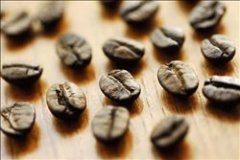
Brief introduction of Costa Rican Coffee Manor Goddess Manor Fine Coffee beans Tarasu Latin American Coffee
Robbins accounts for 40% of global production and is usually grown in areas with lower elevations and higher temperatures. The taste is lighter, with about 2% caffeine, and the price is lower (called Cafe Canifora). Robusta coffee, no matter what name you encounter, such as Yega Sheffield, Mantenin, Columbia, etc., all belong to the subline or original of the Arabica variety.
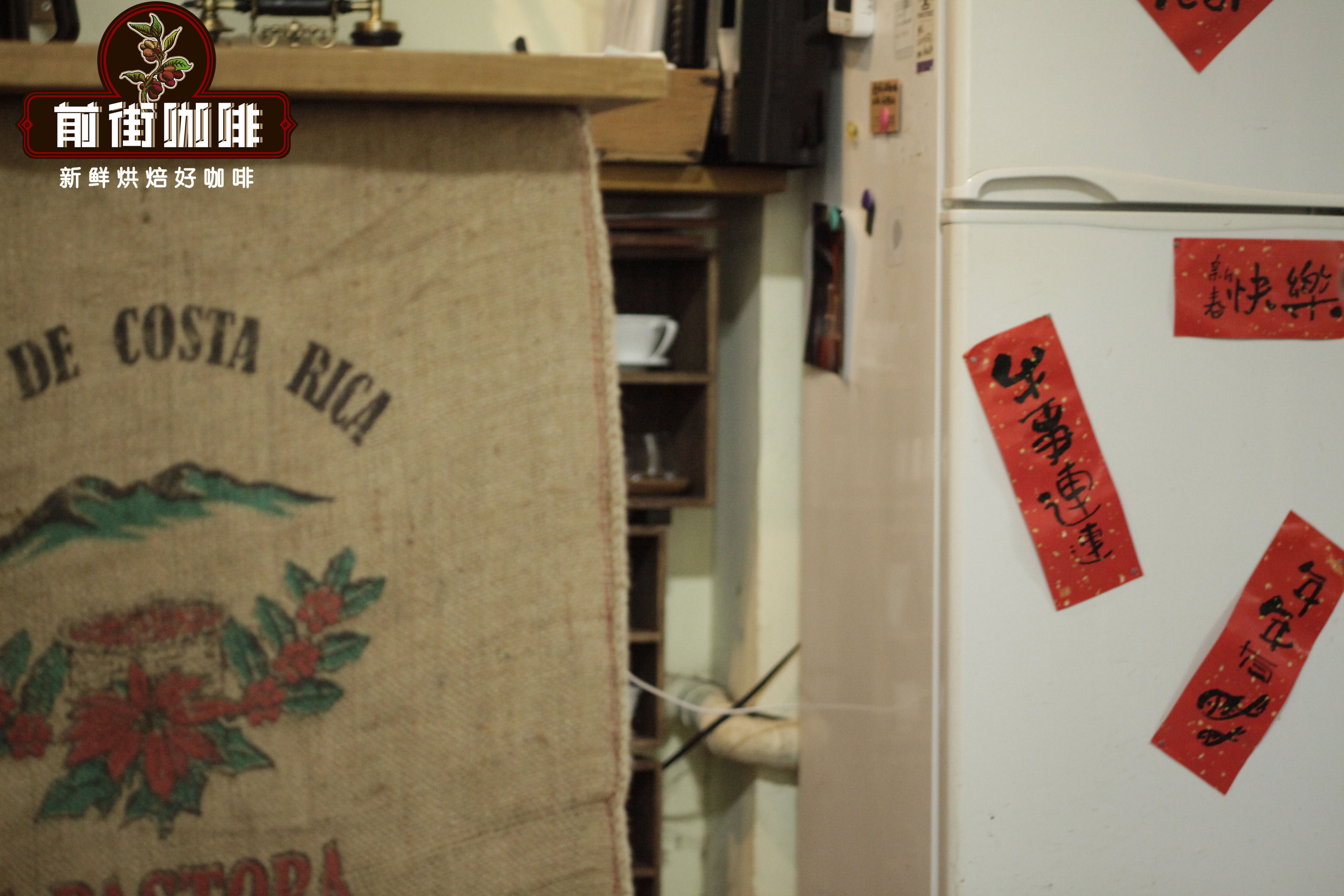
What is the story behind the research and development of coffee beans in Starbucks Parker Market?
The exchange of professional baristas please follow the story behind the coffee shop (Wechat official account cafe_style) Starbucks Parker market coffee bean research and development. Parker market roasting was born at a time when the whole world is very turbulent, financial, political, and popular. This is a particularly difficult time for Starbucks. The return of Howard Schultz was followed by more than 600 stores across the United States.

Description of varieties, Origin and Flavor of Coffee beans in Columbia Magic Manor
Columbia Magic Manor Coffee Bean Variety description Taste Manor introduces that the Latin American people have created a brilliant ancient Indian culture with their diligence, bravery and wisdom. In the 15th century, on this vast continent, three major cultural centers, Maya, Aztec and Inca, were formed, with a long-standing cultural tradition and Latin beauty.

Description of Flavor of Coffee beans in Latin America introduction to Grinding and Calibration method
The flavor description of Latin American coffee beans, the characteristics of varieties and grinding scale treatment of Mexican coffee from Cottpe and Veracruz in the north, to Plumas in the central Oaxaca region, to Chiapas in the southernmost part, are all coffee-producing areas, and the flavor of each region is also different. Although Mexico has many producing areas, it has to try in many ways because the quality stability is not high.

Description of characteristics and Flavor of Coffee beans in Latin America introduction of varieties produced by grinding scale
The characteristic flavor description of Latin American coffee beans, grinding scale production area variety introduction was once the second largest coffee producing country only in Brazil, but Colombia, which has been surpassed by Vietnam and ranked third in the world, is the largest supplier of washed beans in the world. Colombia has become synonymous with good coffee after years of image building. Although the flavor is balanced, the texture is thick and there is

Flavor characteristics of coffee beans from three continents introduction to the planting environment of manor production area
The flavor characteristics of coffee beans from three continents the planting environment of the manor area is introduced, which contains the flavor of chocolate; with the temperament of a lady, it is a kind of pure coffee with great characteristics. Columbia coffee (COLOMBIA) Columbia coffee is the most characteristic of SUPREMO, its coffee is soft and mellow, with slight acid to medium acid, its quality and flavor are stable, it is moderate coffee, is used for blending

Sweet, full-bodied Latin American coffee varieties growing market price profile
Costa Rica aroma 3.5 points brightness 4.5 points mellow 3 points flavor 4.5 points aftertaste 4.5 points suitable for baking degree: Light/Medial/City want to show Costa Rica perfect balance of flavor, then absolutely can not be deep baking, it is recommended to City degree, even the first explosion can be the end of the beans, this time the aroma and flavor will be both, close to the second explosion is the deepest baking

Starbucks preferred Coffee Bean Source Flavor description Taste Variety characteristics Grinding scale introduction
Starbucks preferred coffee bean source flavor description taste variety characteristics grinding scale introduction to this great coffee it can lead you to explore a variety of other delicious Starbucks coffee, but it is not enlightening coffee. Frequent aftertaste of this coffee often makes me wonder which genius makes this comprehensive coffee so exhilarating. Refreshing acidity, wonderful Latin flavor, and beginning

Description of the Flavor of Coffee beans in Joy Manor, Nicaragua introduction to the production area of Grinding scale varieties
Nicaraguan Joy Manor Coffee Bean Flavor description Grinding scale Variety production region introduction because of the national character of the Latin American people, it is difficult for foreign buyers to do business directly with the Latin people, and the Latin people do not attach importance to credit and do things too casually. The quality of the goods is uncertain, and the exported products are also mixed with sundries, but Latin America does indeed envy the whole world.

Description of Coffee Bean Flavor in Latin America introduction to Grinding scale of Variety characteristics in Manor area
Latin American coffee bean flavor description manor regional characteristics grinding scale introduction Guatemala aroma 3.5 minutes brightness 4.5 minutes mellow 3.5 minutes flavor 4.5 minutes aftertaste 4.5 points suitable for roasting degree: Light/Medial/City shallow roasting, city degree can best show the characteristics of Guatemalan coffee, too deep will reduce the fruit aroma, if you like the smoky taste

Introduction to the varieties of grinding scale for flavor description of Arabica coffee beans in Latin America
Latin American Arabica coffee bean flavor description, taste treatment, grinding scale variety introduction in all coffee production, Arabica coffee accounts for 70% of 80%, its excellent flavor and aroma make it a coffee that only Arabica beans (8 Arabica beans) can be drunk directly. But its resistance to dryness, frost, diseases and insect pests

Introduction of boutique coffee beans Latin American coffee
Latin America (Latin America) in 1721 French naval officer de Klee (Gabriel Mathieu de Clieu) experienced difficulties and obstacles to bring the first coffee sapling from Africa to the Latin American island of Martinique, which was the origin of coffee cultivation in Latin America. Because at that time, France was under the reign of the Bourbon dynasty, and Elaraby was grown in Latin America.
Coffee Common sense Latin American (Latin America) Coffee and roasting
In 1721, French naval officer Gabriel Mathieu de Clieu went through difficulties and obstacles to bring the first coffee sapling from Africa to the Latin American island of Martinique, which was the origin of coffee cultivation in Latin America. Because France was under the Bourbon dynasty at that time, there was another time for Arabica coffee grown in Latin America.
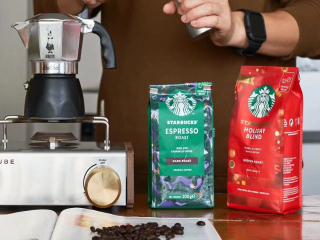
13 varieties of Starbucks Coffee beans which kind of good taste is recommended to distinguish Starbucks from American Coffee beans
Professional coffee knowledge exchange more coffee beans information please follow the beans bought by the coffee workshop (Wechat official account cafe_style) in Starbucks a few times ago, to share with you. If it is not a professional, it is purely shared, and the opinions are also very subjective. 1.2.3Aribia from right to left

Characteristics of Latin American coffee beans and complete understanding of Latin American coffee flavor and taste
Brazil (Brazil) aroma 3 minutes brightness 3.5 minutes mellow flavor 4 minutes aftertaste 4 points suitable for baking: City/Full city/Espresso used as Espressode beans should not be baked too deep, because the producing area is low altitude, the bean density is low, the pot under deep baking produces coke bitterness, it is best to start the pot before the second explosion. As for high-grade Brazilian beans, they can have a wider range of baking patterns.
Latin American coffee bean flavor producing countries three major coffee varieties and seven major producing areas in the world
Latin American Coffee the unique tropical rain forest environment in parts of Bolivia provides excellent natural conditions for the growth of organic coffee. The aroma of Bolivian coffee is rich and unique, both after the bean is ground and the aroma of the coffee is quite rich, similar to the mixture of flower and fruit aromas, the perfect nutty flavor is impressive. [Bolivir]

Introduction to the types of coffee farms in the mountainous areas of central Costa Rica Tarasu Latin American coffee
In Costa Rica, there are many small-scale but high-quality coffee estates like Elsa, whose idea is to constantly improve the quality of raw coffee beans and get out of their own way of fine coffee in order to obtain the best economic benefits. Coffee is an important export product of Costa Rica, which earns a lot of foreign exchange for the country every year and is vividly called the golden seed. My unique natural conditions are very suitable.
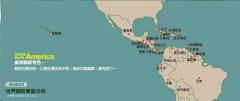
Latin American coffee introduction to coffee producing areas
Latin America (Latin America) in 1721 French naval officer de Klee (Gabriel Mathieu de Clieu) experienced difficulties and obstacles to bring the first coffee sapling from Africa to the Latin American island of Martinique, which was the origin of coffee cultivation in Latin America. Because at that time, France was under the reign of the Bourbon dynasty, and what was grown in Latin America

Introduction to Latin American Coffee from Fine Coffee producing area
Latin America (Latin America) in 1721 French naval officer de Klee (Gabriel Mathieu de Clieu) experienced difficulties and obstacles to bring the first coffee sapling from Africa to the Latin American island of Martinique, which was the origin of coffee cultivation in Latin America. Because at that time, France was under the reign of the Bourbon dynasty, and Elaraby was grown in Latin America.

The overall flavor is balanced with a stable Latin American coffee flavor, characteristics, taste and manor.
Latin America (Latin America) in 1721 French naval officer de Klee (Gabriel Mathieu de Clieu) experienced difficulties and obstacles to bring the first coffee sapling from Africa to the Latin American island of Martinique, which was the origin of coffee cultivation in Latin America. Because at that time, France was under the reign of the Bourbon dynasty, and Elaraby was grown in Latin America.